Pillar guides
GLP-1, GIP & Glucagon Receptor Agonists: A Research Guide
A research guide to the incretin and energy-balance receptor system and the single, dual, and triple agonist classes studied as reference tools in metabolic models.
Read the guideAll articles
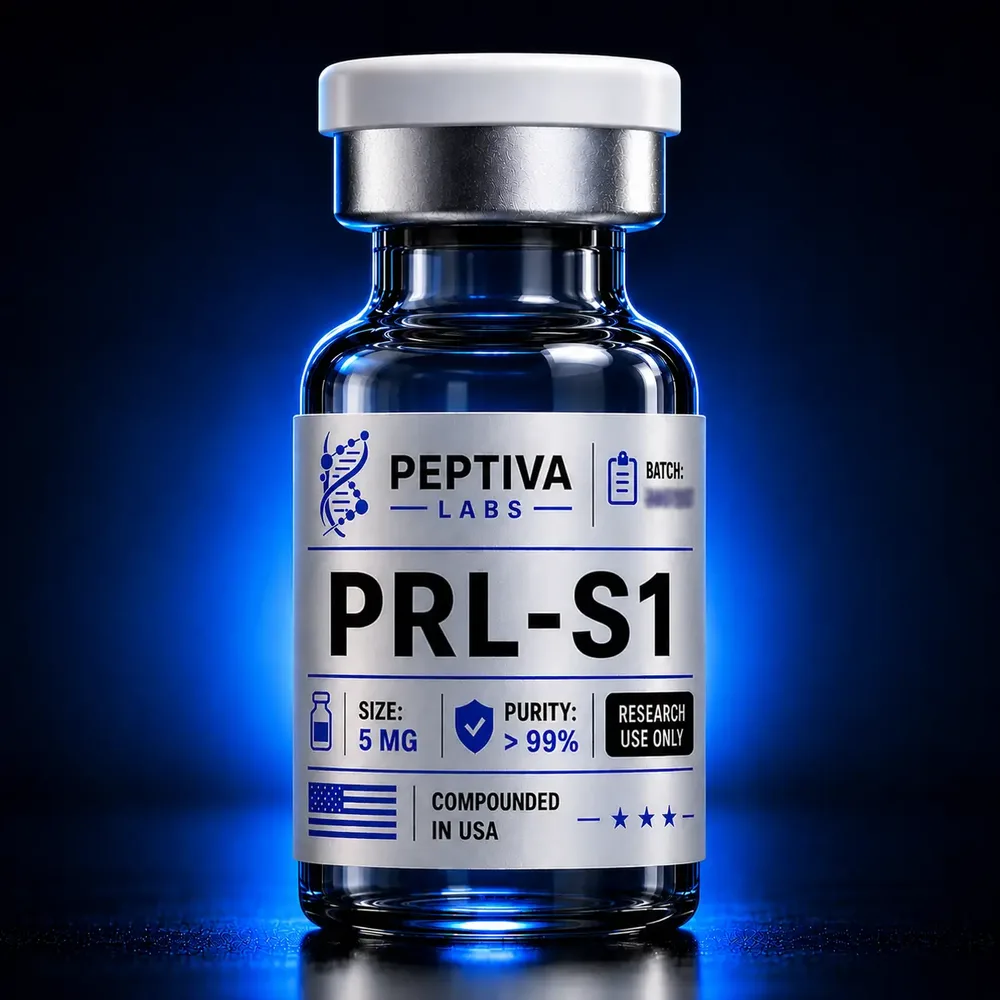
PRL-S1 (Semaglutide-Class GLP-1 Agonist): Research Overview
PRL-S1 is a long-acting GLP-1 receptor agonist in the semaglutide research class, studied in vitro for receptor binding, cAMP signaling, and homeostasis models.
Read more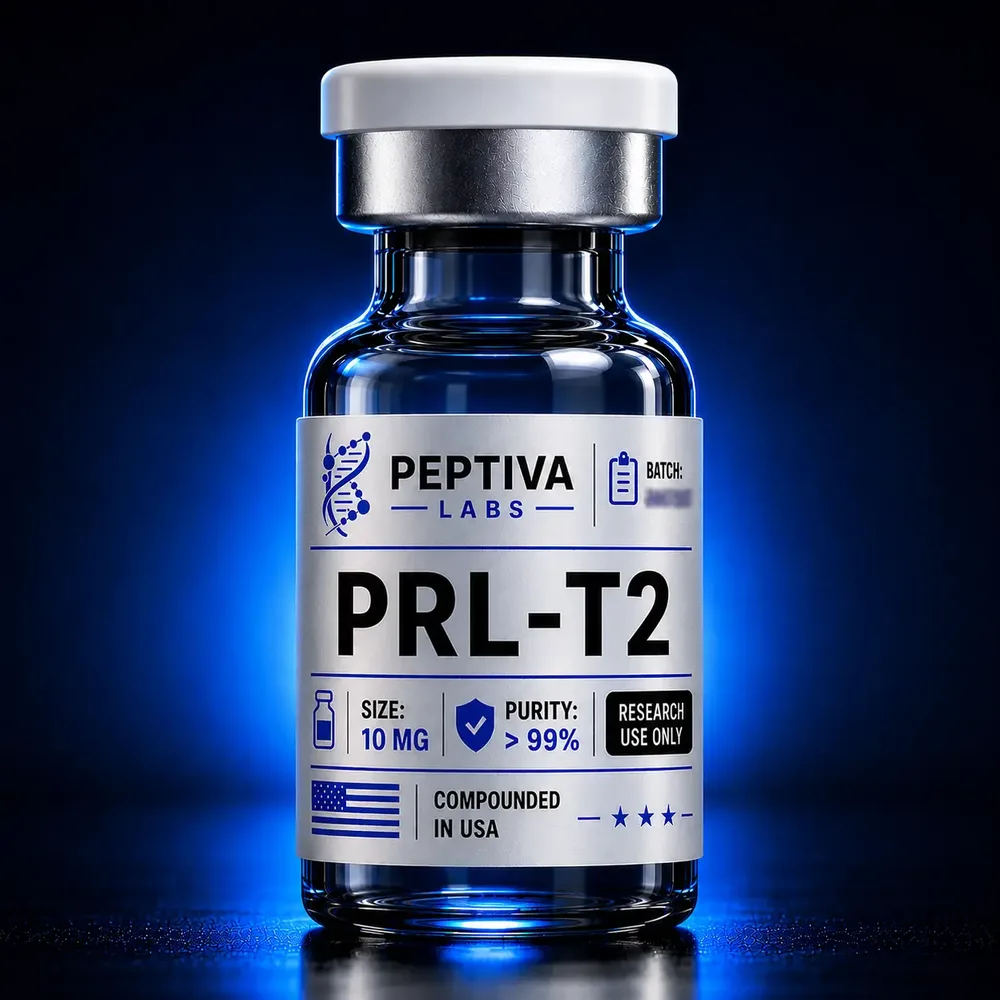
PRL-T2 (Tirzepatide-Class GIP/GLP-1 Dual Agonist): Research Overview
PRL-T2 is a tirzepatide-class dual GIP/GLP-1 receptor agonist studied in vitro for combined incretin signaling, reporter assays, and glucose-regulation models.
Read more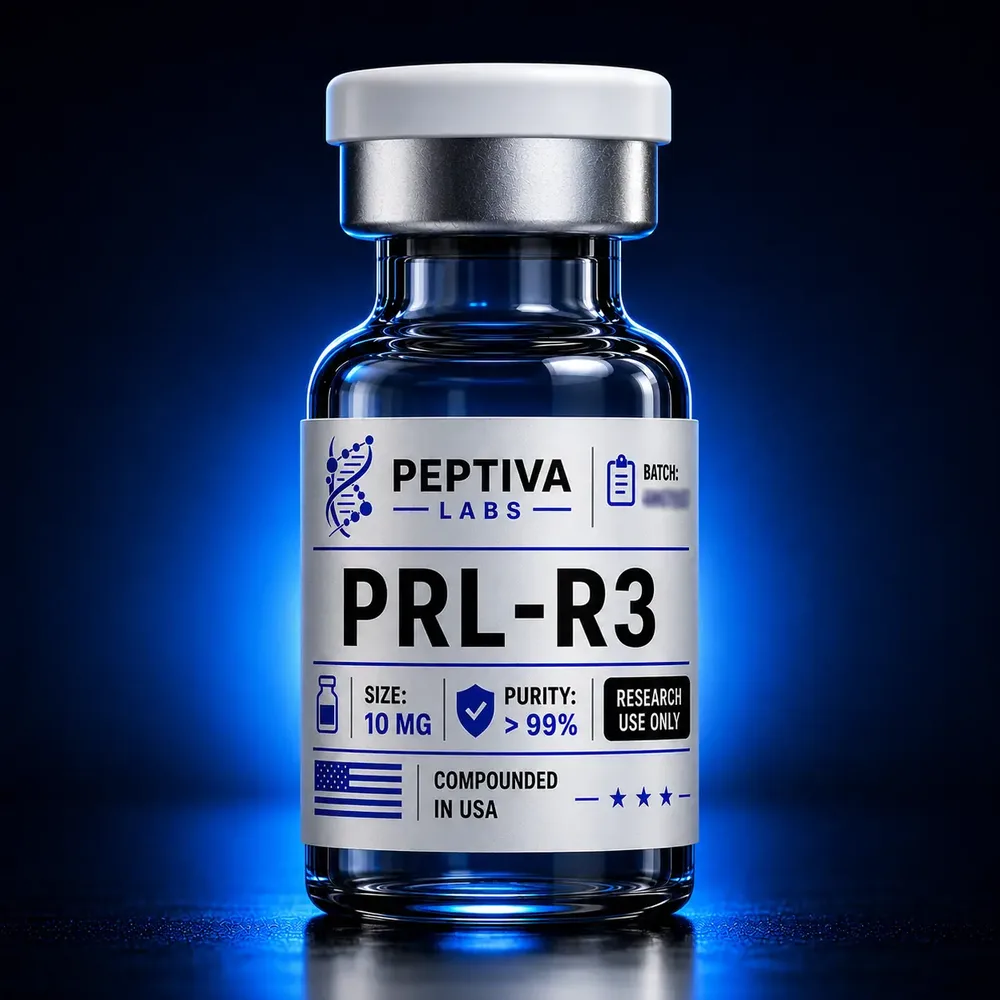
PRL-R3 (Retatrutide-Class Triple Agonist): Research Overview
PRL-R3 is a retatrutide-class triple GIP/GLP-1/glucagon receptor agonist studied in vitro and in preclinical energy-balance models. Research-use overview.
Read more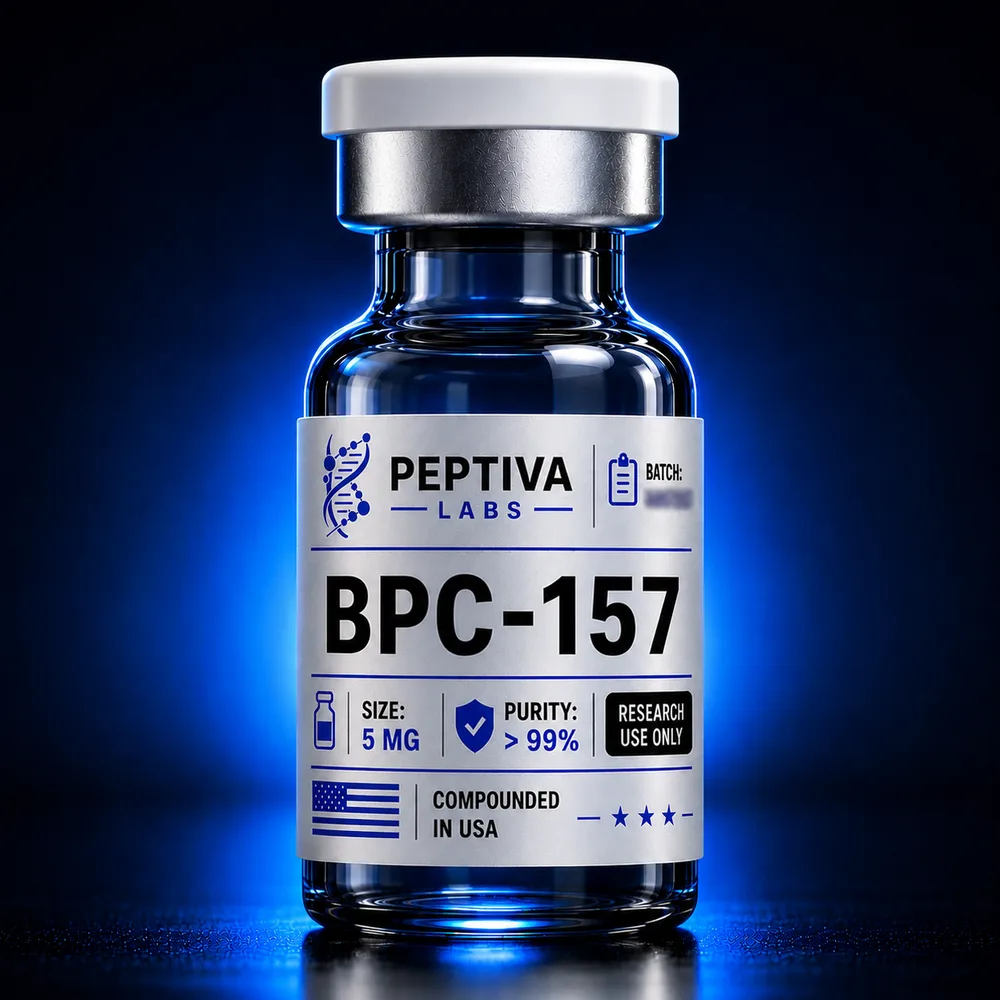
BPC-157: Research Overview
A research overview of BPC-157, a synthetic stable pentadecapeptide studied in vitro for cytoprotection, fibroblast activity, and angiogenesis signaling.
Read more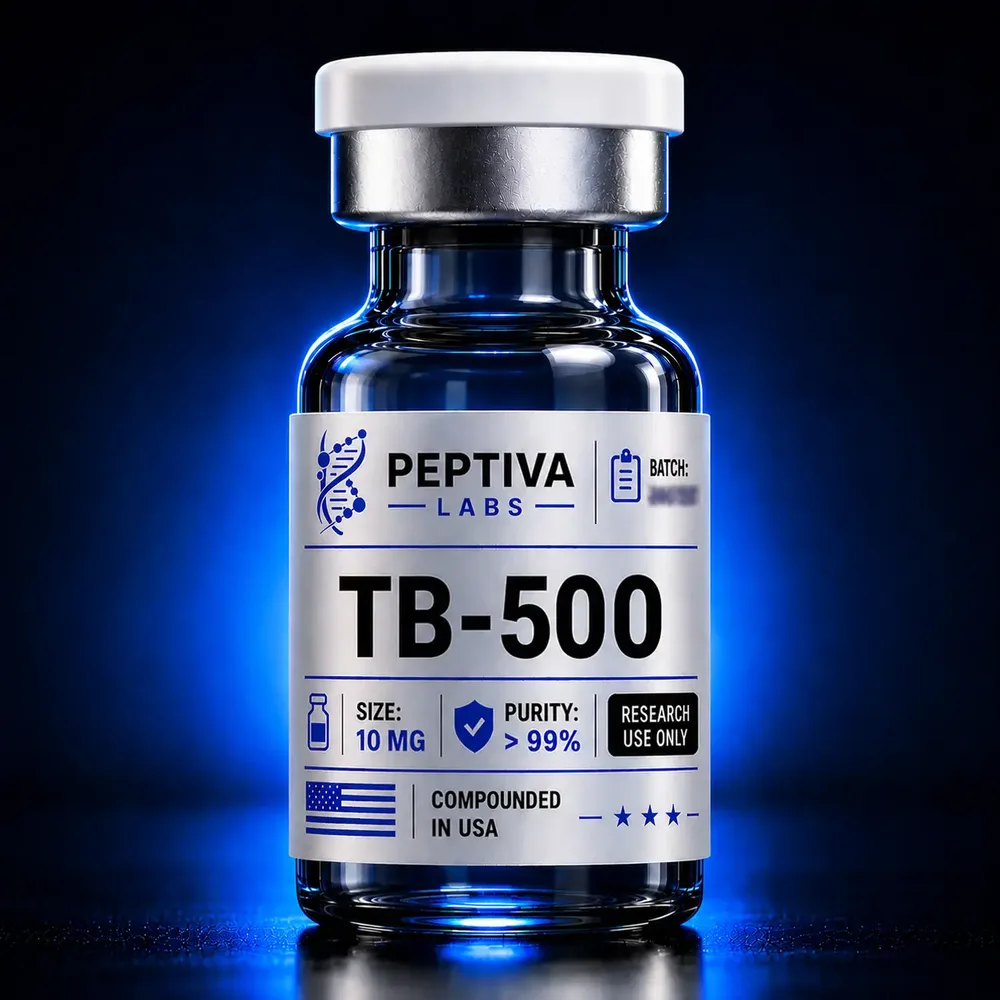
TB-500 (Thymosin Beta-4 Fragment): Research Overview
TB-500 is a synthetic fragment derived from thymosin beta-4, studied in vitro for actin binding, cell migration, tissue-repair signaling, and angiogenesis.
Read more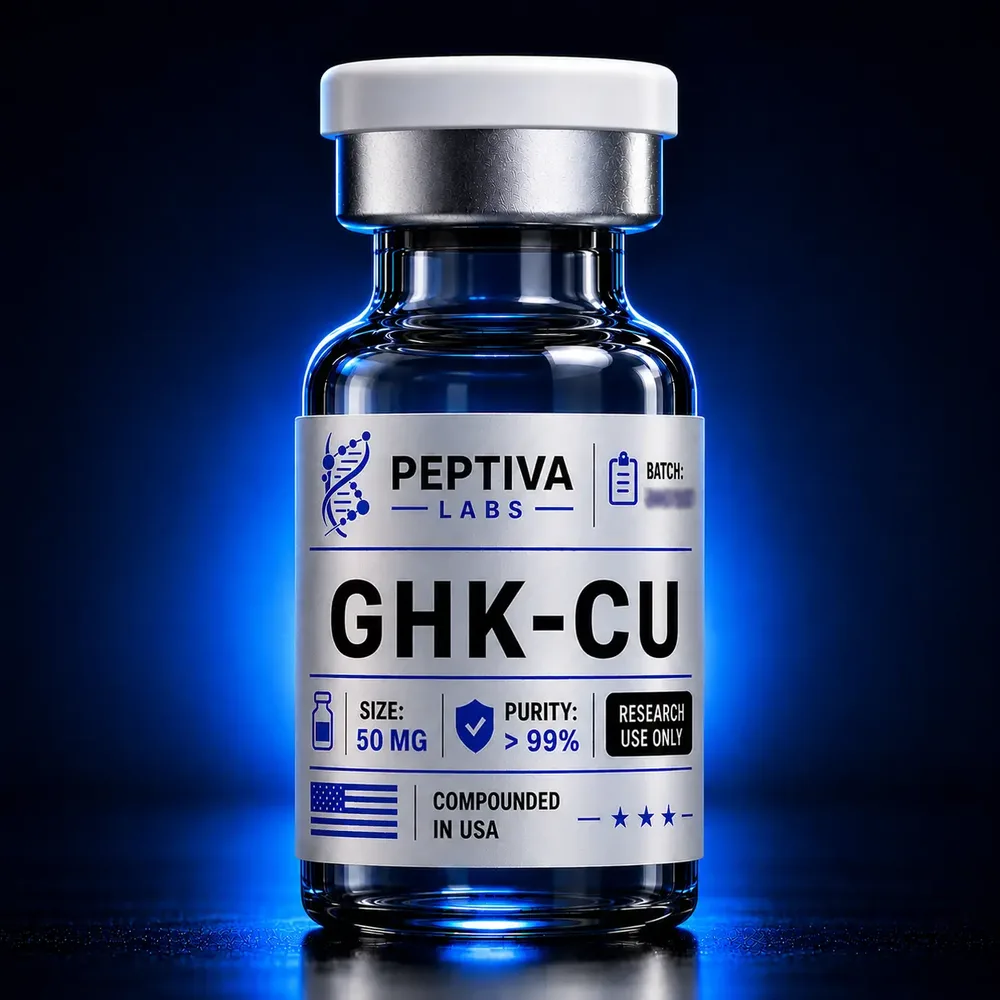
GHK-Cu (Copper Tripeptide): Research Overview
GHK-Cu is the copper-binding tripeptide glycyl-L-histidyl-L-lysine. Explore what laboratories characterize about its mechanism and gene-expression research in vitro.
Read more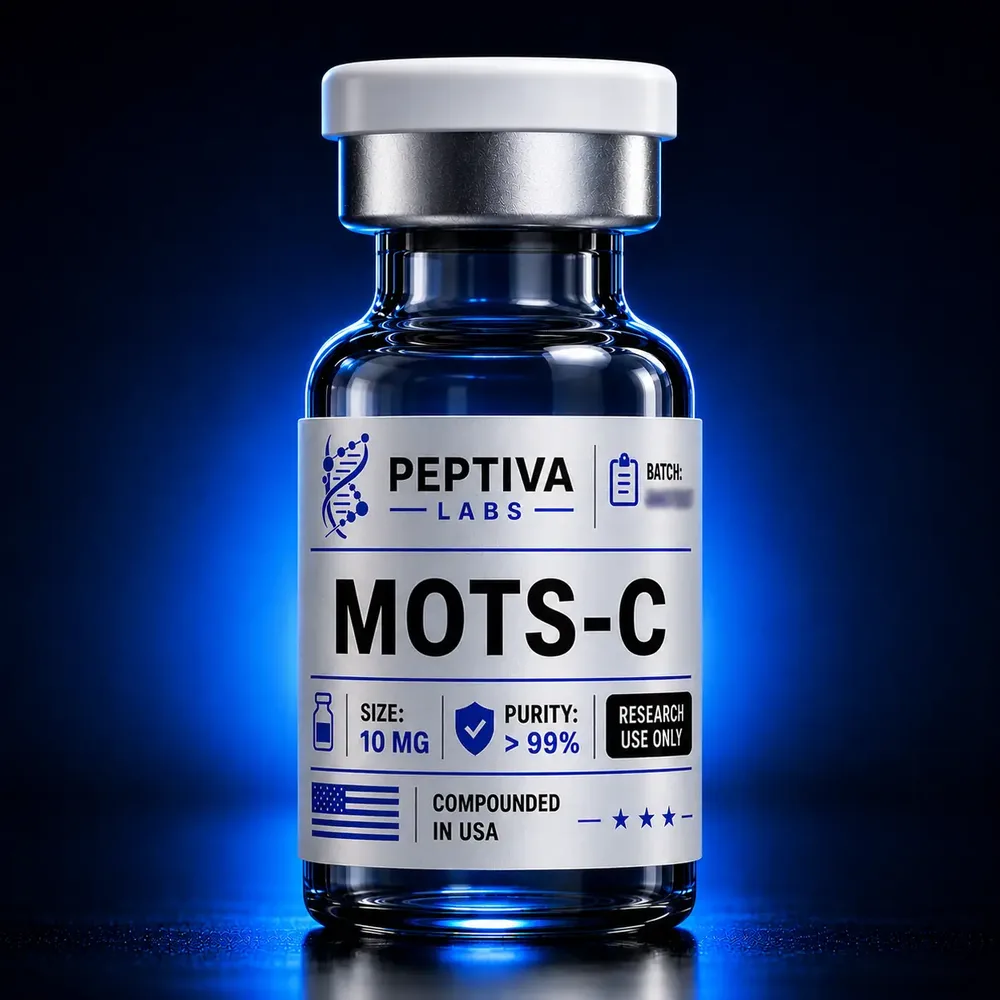
MOTS-c (Mitochondrial-Derived Peptide): Research Overview
MOTS-c is a 16-amino-acid mitochondrial-derived peptide studied for AMPK signaling, metabolic regulation, and stress-induced nuclear translocation in laboratory models.
Read more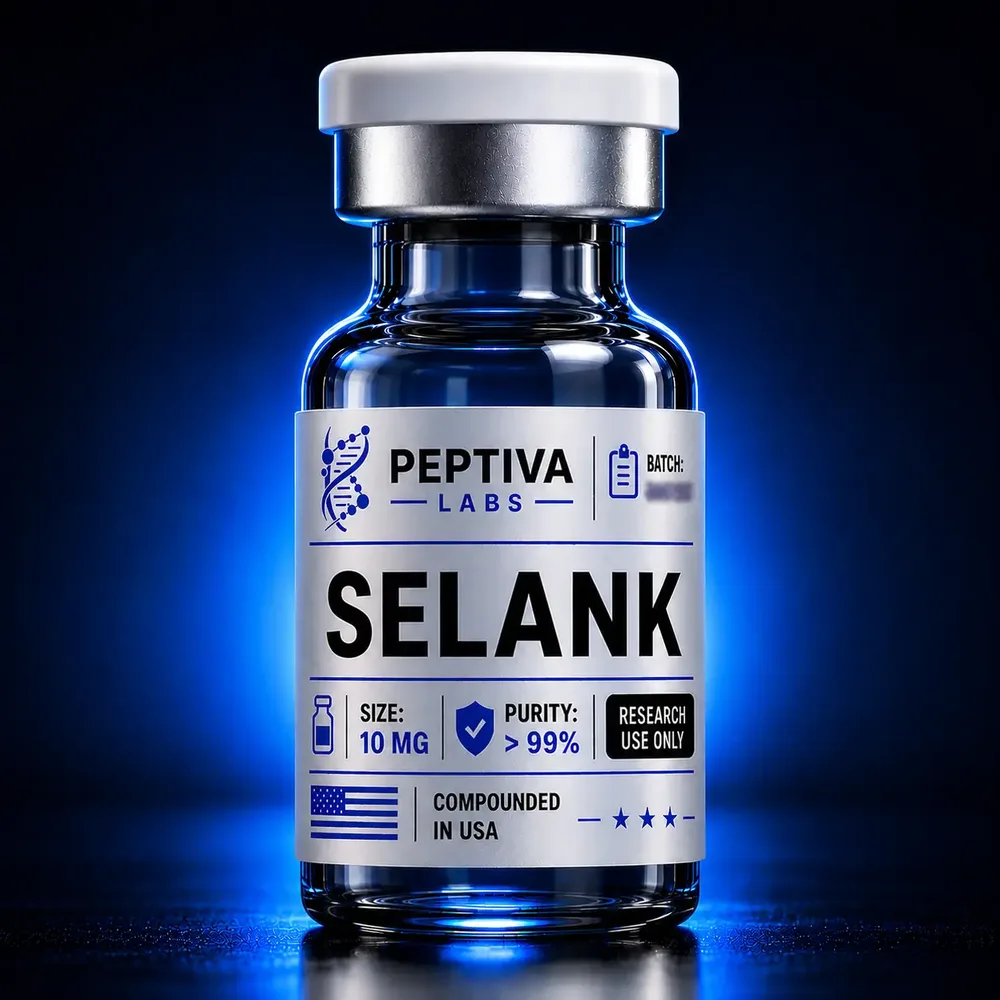
Selank: Research Overview
Selank is a synthetic heptapeptide derived from tuftsin, studied in preclinical models for anxiolytic, nootropic, and immune-signaling pathways.
Read more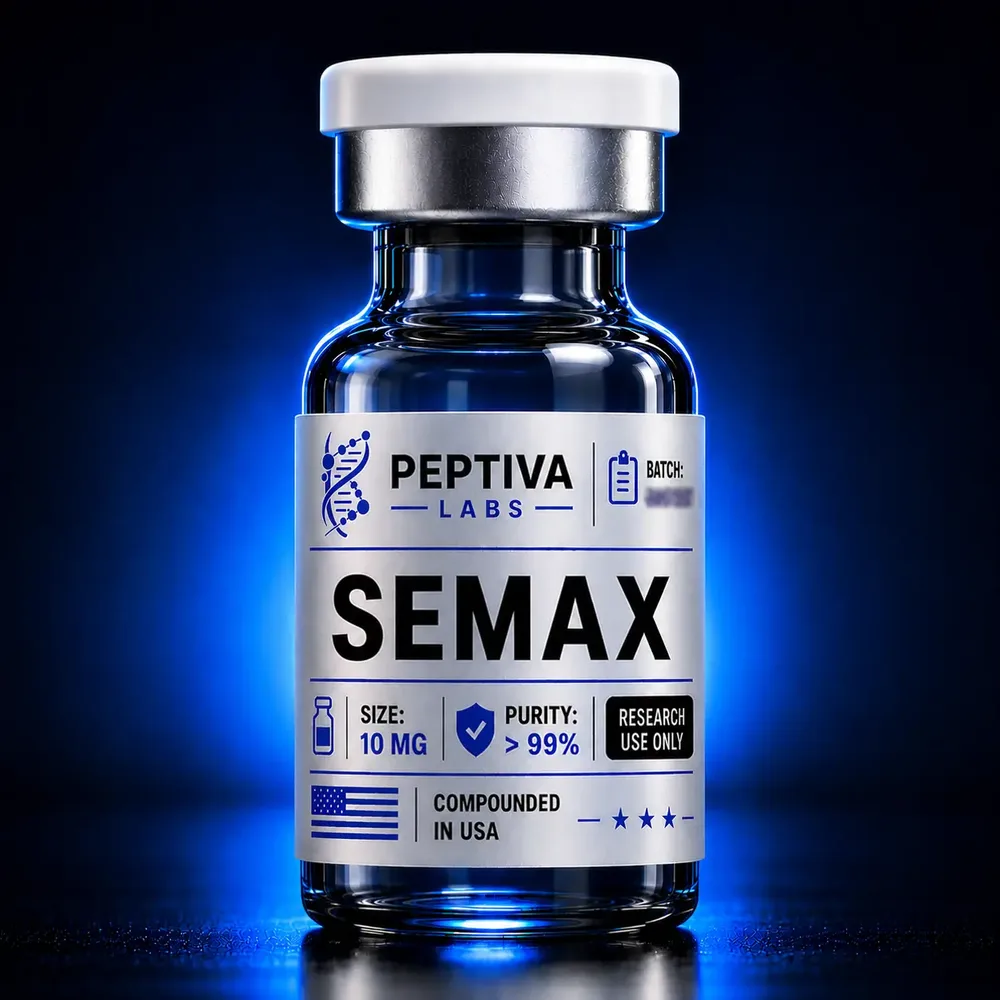
Semax (ACTH 4-10 Analog): Research Overview
Semax is a synthetic ACTH(4-10) analog examined in preclinical and cell models for neuroprotection, BDNF signaling, and nootropic-related research.
Read more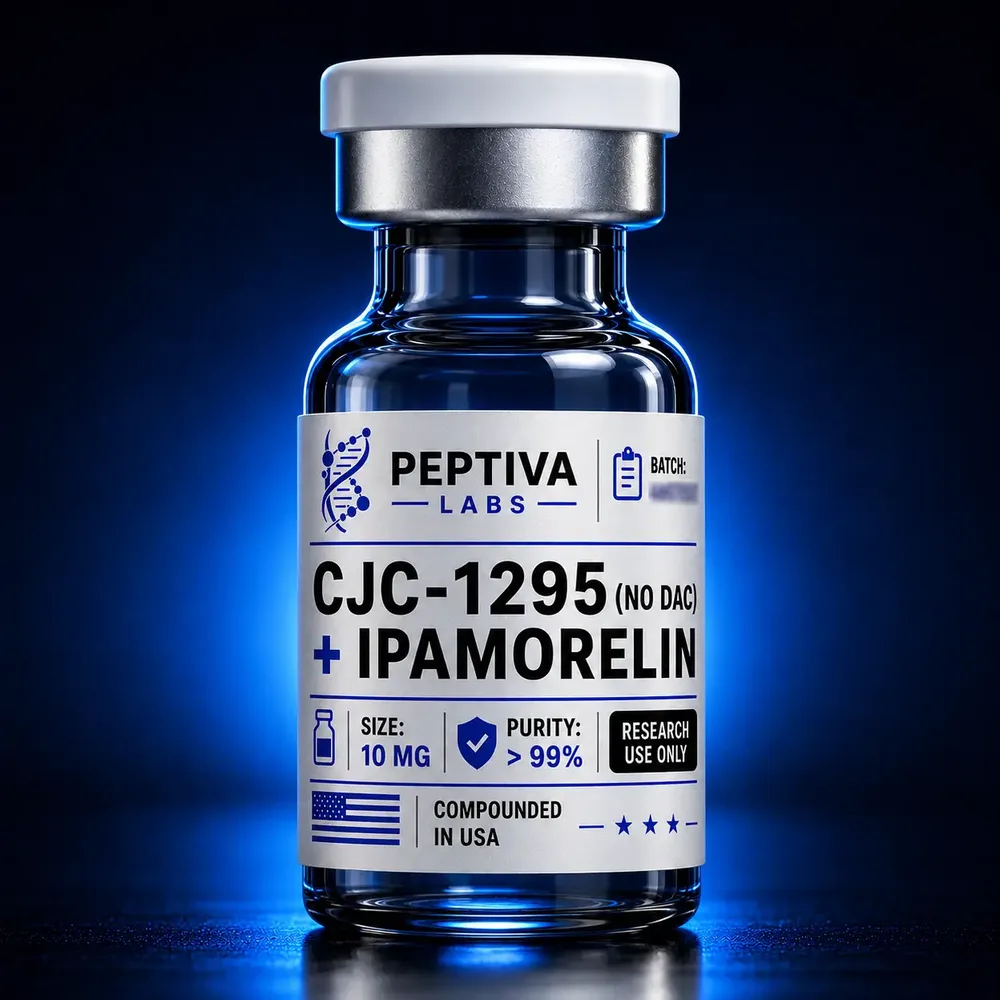
CJC-1295 (No DAC) + Ipamorelin Blend: Research Overview
A research overview of the CJC-1295 (No DAC) and Ipamorelin blend, pairing a short-acting GHRH analog with a selective GH secretagogue for in-vitro study.
Read more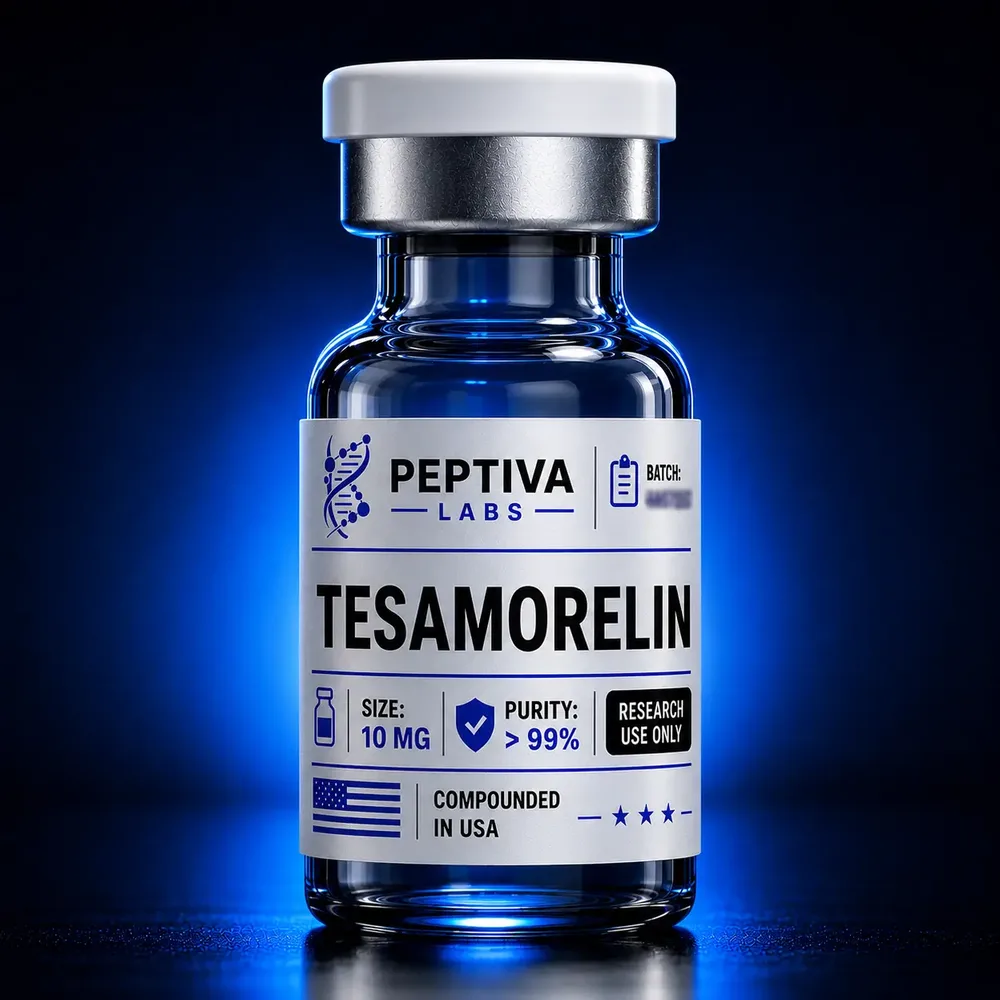
Tesamorelin (GHRH Analog): Research Overview
Tesamorelin is a stabilized GHRH(1-44) analog studied in preclinical models for growth-hormone-axis signaling and lipid-metabolism research.
Read more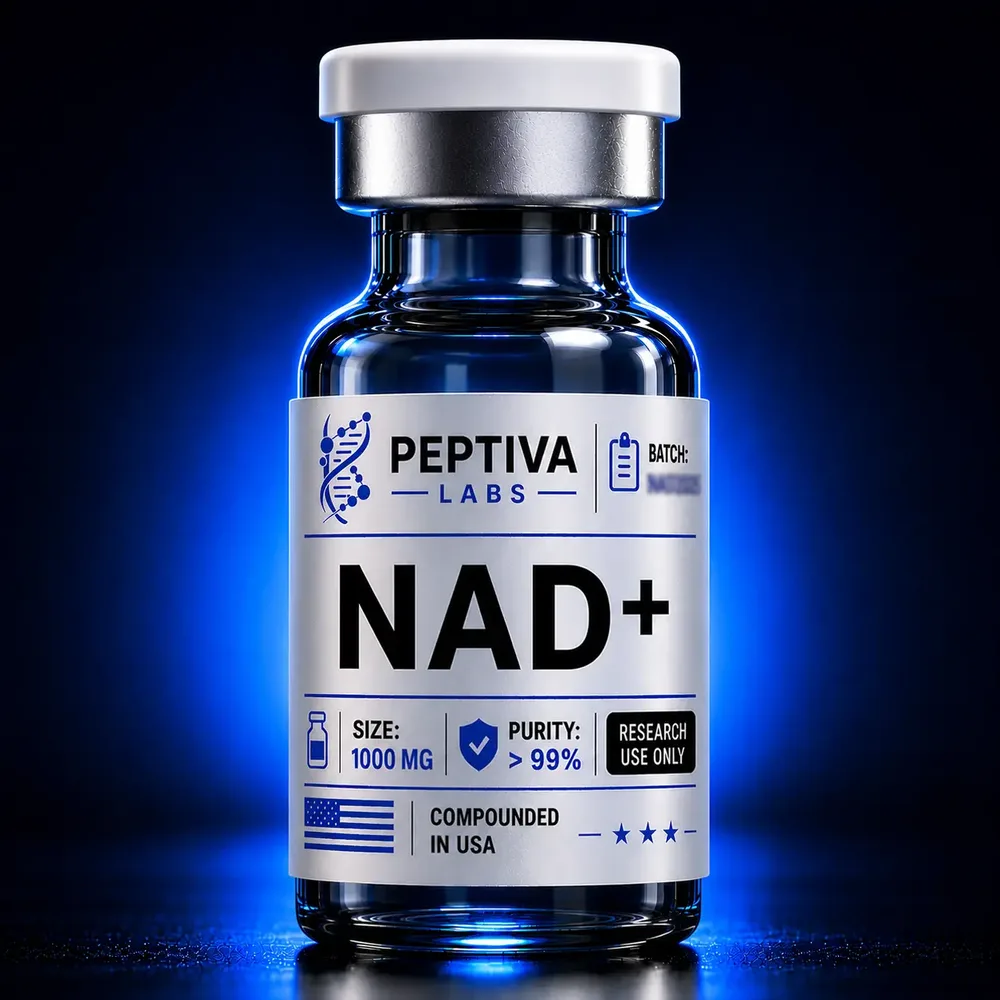
NAD+ (Nicotinamide Adenine Dinucleotide): Research Overview
NAD+ is the redox coenzyme at the heart of cellular bioenergetics. Explore its electron-transfer role and sirtuin/PARP signaling in laboratory research.
Read more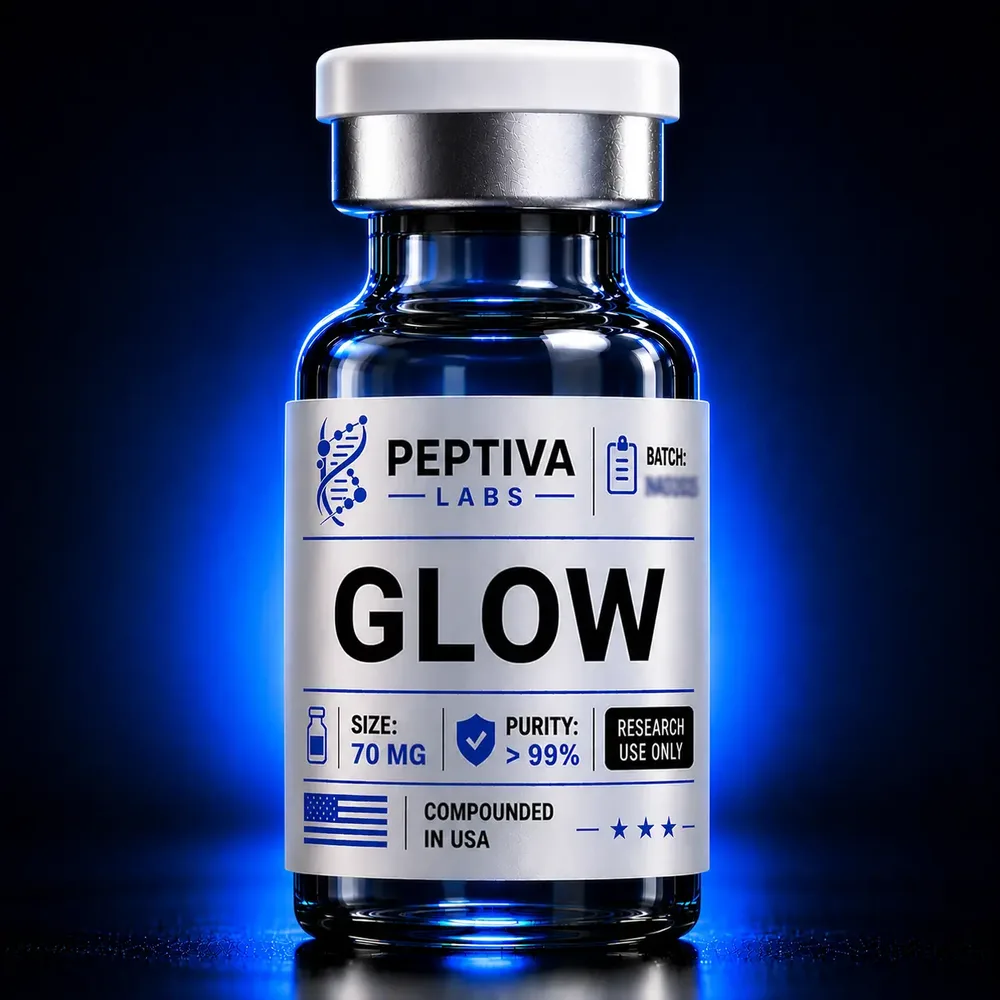
The GLOW Research Blend (BPC-157 + GHK-Cu + TB-500)
The GLOW Research Blend combines BPC-157, GHK-Cu, and TB-500, three peptides characterized in tissue-repair models. A research-use-only overview of each component.
Read more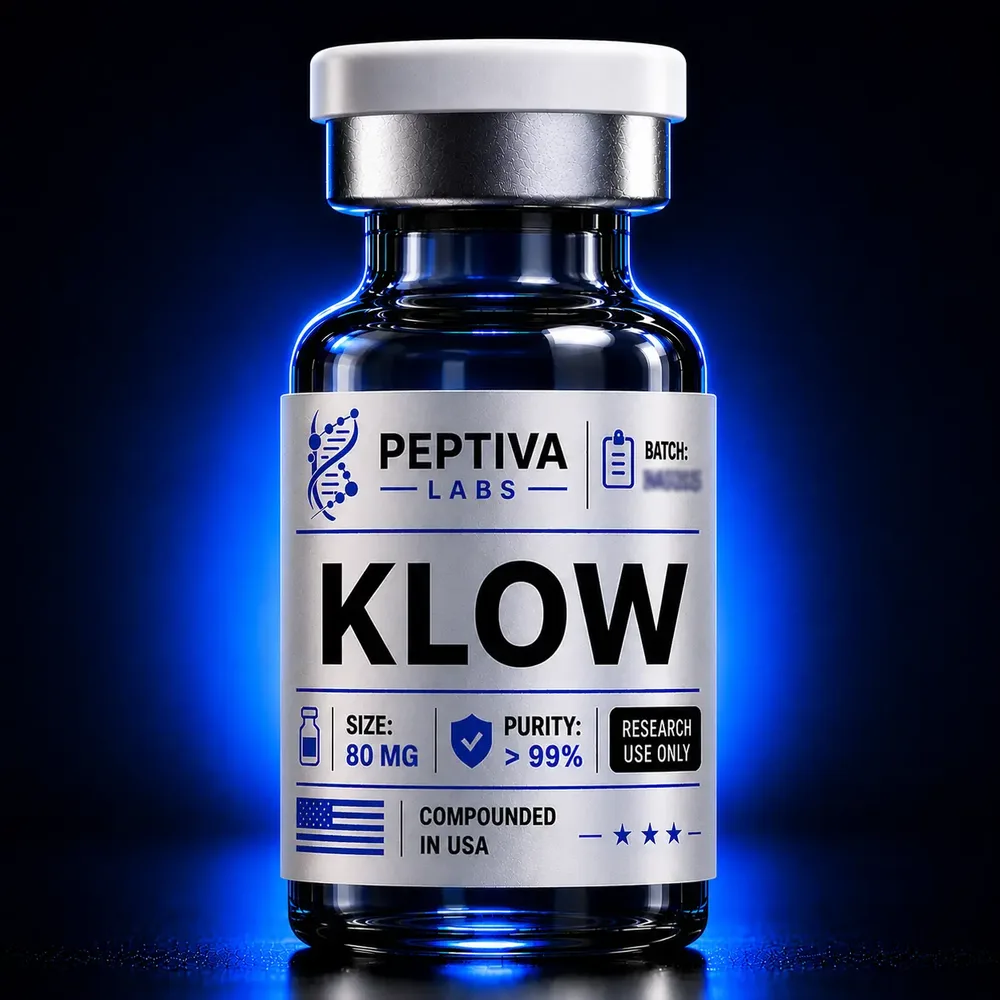
KLOW Research Blend (KPV + BPC-157 + GHK-Cu + TB-500)
The KLOW research blend combines KPV, BPC-157, GHK-Cu, and TB-500, four peptides characterized in laboratory studies of tissue, matrix, and inflammatory pathways.
Read more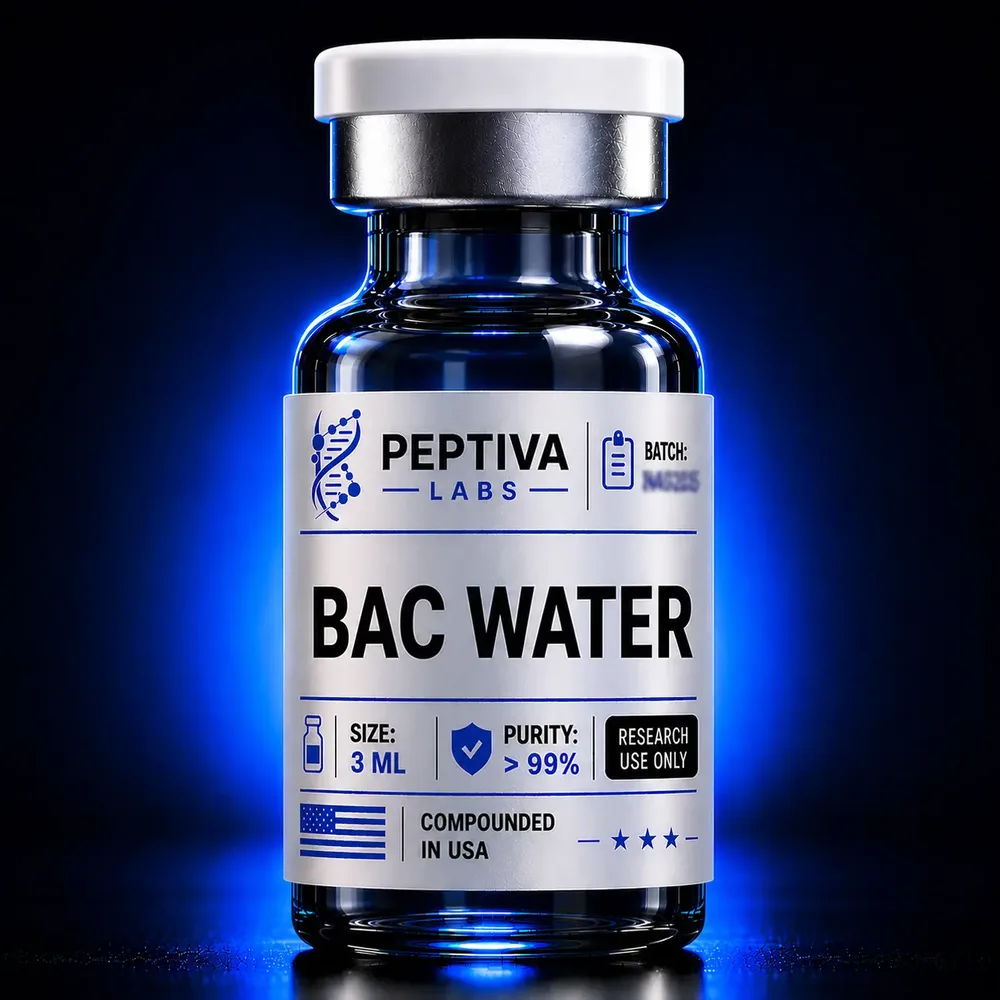
Reconstituting Research Peptides: Bacteriostatic Water & Best Practices
A laboratory handling guide to reconstituting lyophilized research peptides with bacteriostatic water, covering dilution math, sterile technique, and aliquoting.
Read more
Storing & Handling Research Peptides in the Laboratory
How laboratories store and handle research peptides: lyophilized vs reconstituted storage, freeze-thaw control, desiccation, light protection, and chain-of-custody.
Read moreReading a Peptide COA: HPLC, Mass Spec & Purity
A research guide to reading a peptide Certificate of Analysis: HPLC purity %, mass spec identity, net peptide content, and why high purity supports reproducible data.
Read more